
Universities & Research Institutes
Faculty, principal investigators, laboratories and research teams.
Microbial genomics · Ecology · Bioinformatics
Study-specific analysis for environmental and biotechnology questions. We connect microbial genomics and omics data with metadata, appropriate statistics and biological interpretation to evaluate evidence in the context of each application.
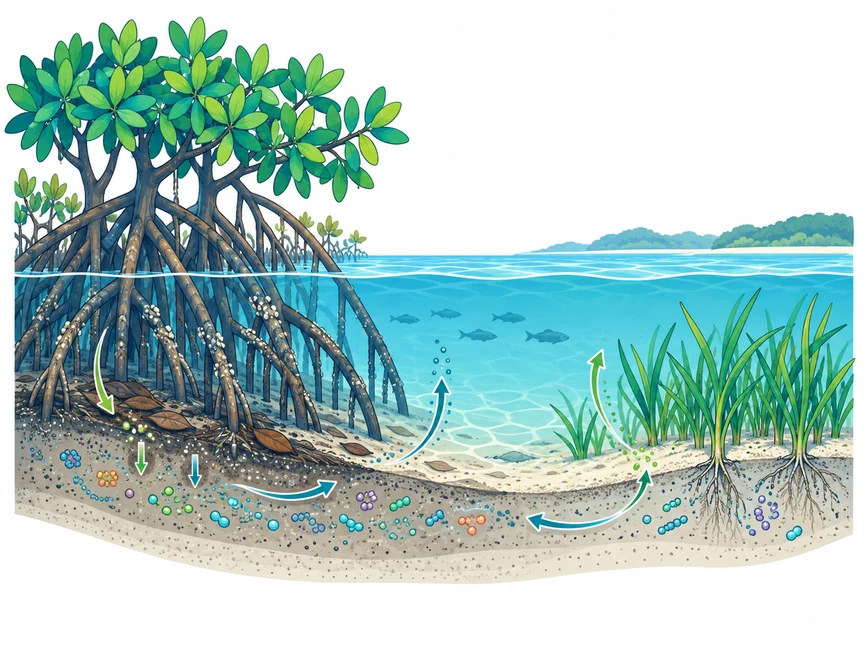
Microbial and ecological evidence supports coastal ecosystem research, restoration baselines, ecosystem-health assessment and long-term monitoring.
How do communities and functional patterns vary across mangroves, seagrasses, coastal gradients or restoration stages?
We integrate microbial community profiling and metagenomics with environmental metadata and ecological statistics. The results can contribute to monitoring, reporting and verification (MRV) documentation. Carbon accounting, certification and accredited carbon-credit verification are outside our scope.
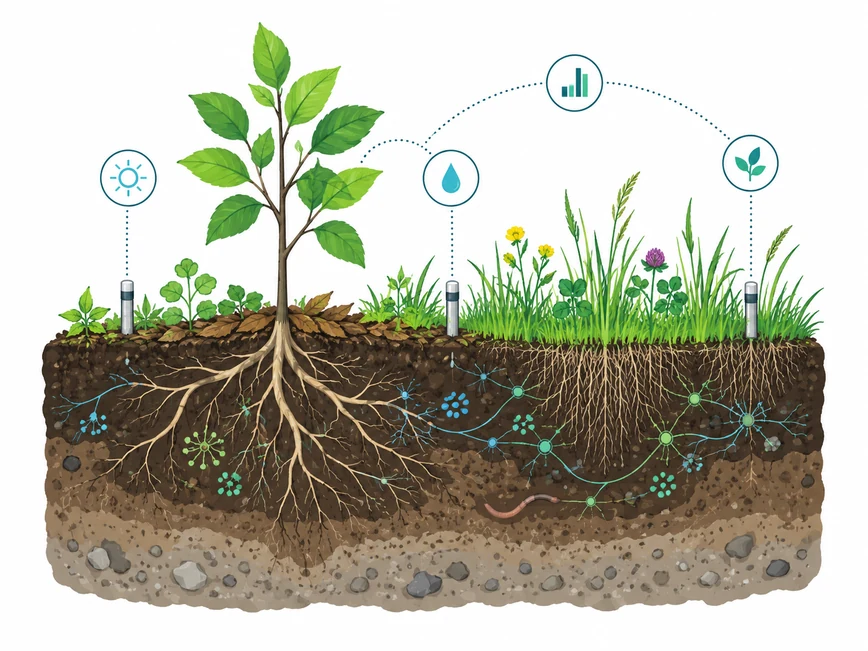
Microbial and ecological analysis can help establish baselines and assess changes across coastal, terrestrial and other environmental systems.
How do communities respond to pollution, disturbance or environmental gradients? What changes are supported across monitoring periods or after restoration and other interventions?
We combine microbial profiles with physicochemical metadata, multivariate statistics and constrained ordination. This provides specialist analytical support for environmental assessments; statutory EIA reports and accredited consultancy services are outside our scope.
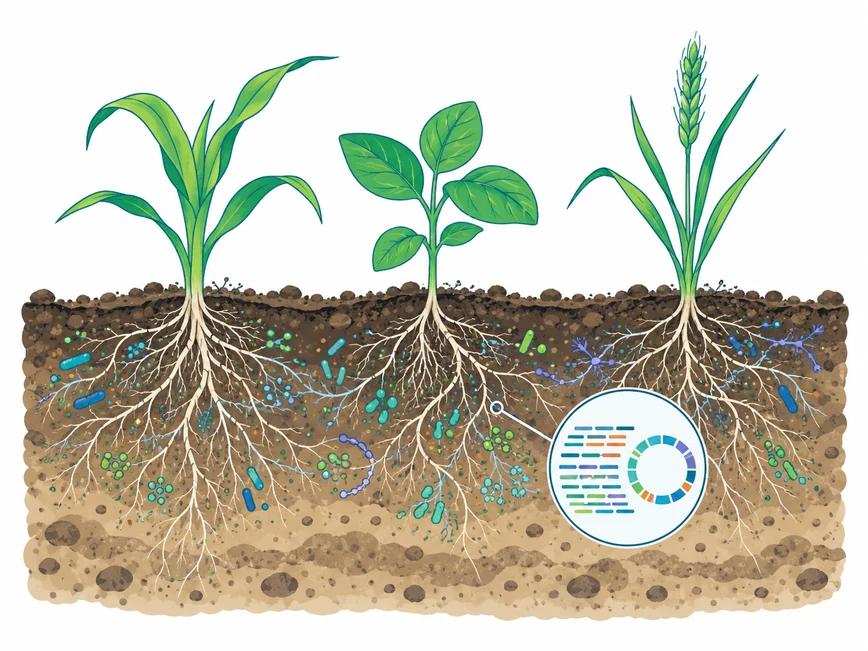
Investigate microbial patterns associated with soil conditions, crops and treatments, including plant–microbe relationships and nutrient cycling.
How do rhizosphere communities differ across crops, treatments or soil conditions? Which patterns relate to nutrient availability, biofertiliser or biocontrol research?
We analyse 16S/ITS and metagenomic datasets alongside soil and crop metadata, selecting comparisons that account for field design and environmental variation.
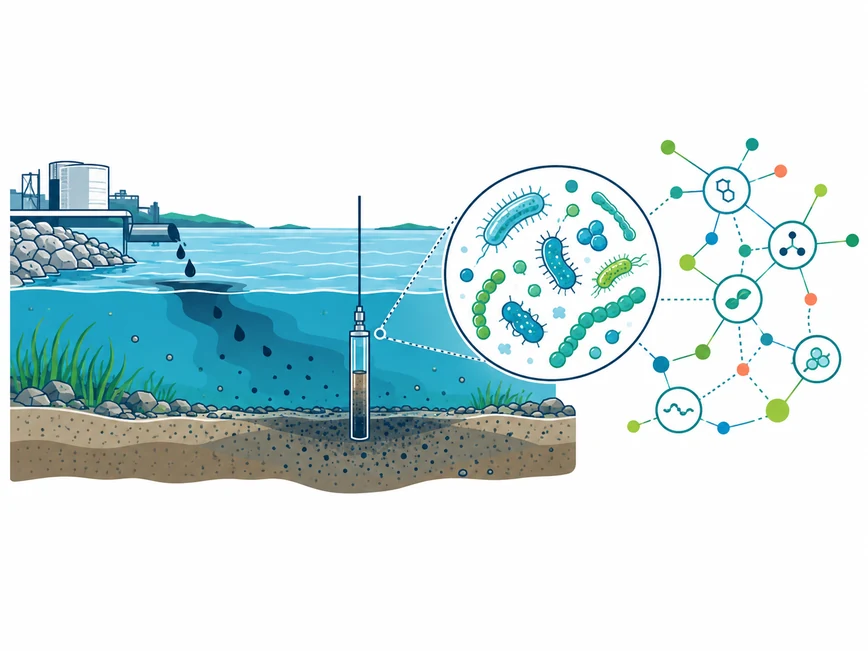
Assess pollutant-associated community changes and candidate biodegradation functions using microbiome and genomic data.
How do communities differ between contaminated and reference sites? Which candidate functions relate to hydrocarbons, pesticides or industrial contaminants?
We connect microbial profiles and metabolic annotations with pollutant measurements and study design. Computational potential requires experimental validation before bioremediation performance can be claimed.
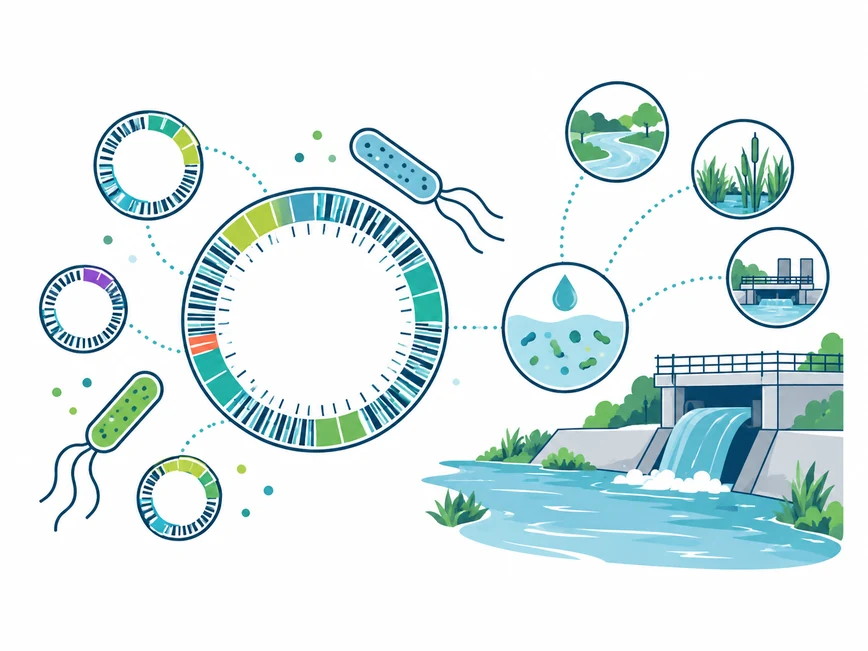
Genomic and metagenomic data support research into the distribution and context of antimicrobial resistance-associated genes.
Which resistance-associated genes occur in a dataset? How do their genomic contexts and profiles differ across environmental, wastewater or isolate samples?
We examine resistomes, strain relationships and mobile-element context where the data allow. Findings support research surveillance, not clinical diagnosis or treatment decisions.
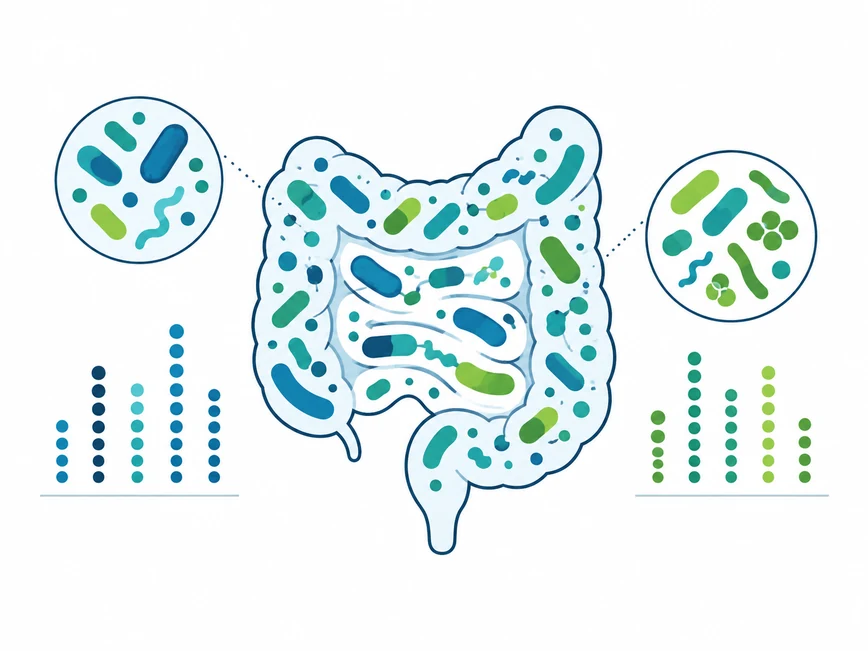
Gut, oral, skin and other host-associated microbiomes raise questions about community variation across research cohorts and sampled conditions.
Which patterns differ across groups or time points? How do treatment exposure and available study metadata relate to community composition or function?
We design comparisons around replication, repeated measures and confounders, using appropriately de-identified research data. These services are not diagnostic or therapeutic.
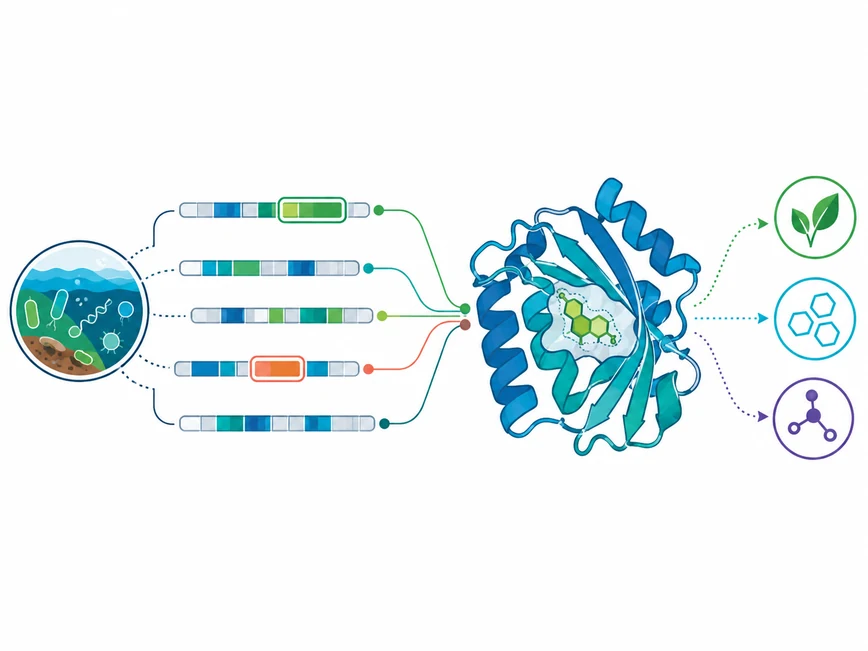
Genome-resolved analysis links candidate microbial functions and enzymes to reconstructed genomes and their biological context.
Which microbes, functions and pathways merit further study? How can genome quality and comparative evidence inform candidate prioritisation?
We recover and assess metagenome-assembled genomes (MAGs), annotate functions and interpret metabolic pathways. Candidate functions and enzymes require external experimental validation; enzyme expression, biochemical characterisation, fermentation and scale-up are outside our services.
Clients & collaborators
Faculty, principal investigators, laboratories and research teams.
Researchers requiring specialist sequencing analysis, statistics and interpretation.
Downstream bioinformatics, genomics, metagenomics and specialist analytical support.
Specialist microbial and ecological analysis for environmental baseline and monitoring projects.
Biodiversity, restoration, mangrove, seagrass, coastal and ecosystem programmes.
Projects requiring microbial and ecological baseline and monitoring evidence.
Research, environmental and ecosystem-monitoring programmes.
Genome-resolved microbial-function and enzyme-discovery projects.
Organisations supporting restoration, biodiversity and environmental-monitoring initiatives.
A collaborative analysis partner
Share your hypothesis, study design and analytical challenge. We will assess what the data can support and propose a study-specific approach.
BiomeLens provides bioinformatics and data analysis services. Laboratory sequencing, DNA/RNA extraction and wet-lab sample processing are not part of our services.